Available Nationwide • Onsite & Virtual • Fast Turnaround
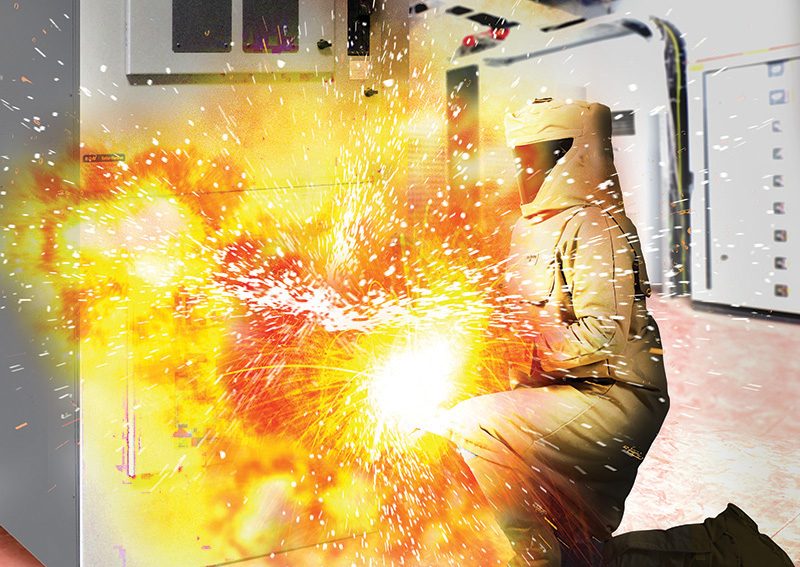
Arc flash hazard in Alaska industrial facility — NFPA 70E electrical safety training
NFPA 70E Training — Alaska

NFPA 70E Arc Flash Training
for Alaska

Onsite and virtual electrical safety training built for the hazards of Alaska oil and gas operations, remote pipeline infrastructure, seafood processing, and rural utility systems — led by Certified Safety Professionals with 30+ years of field experience.

Alaska's electrical infrastructure spans North Slope oil field production, the Trans-Alaska Pipeline System, remote rural electric cooperatives, and a seafood processing industry that keeps the state's economy running — all operating under some of the most extreme conditions in the United States. Extreme cold, remote logistics, and isolated grid systems demand electrical safety training that goes beyond generic compliance. We deliver NFPA 70E 2024 training built specifically for the work Alaska's qualified electrical workers actually do.

Training Built for Alaska’s Most Demanding Electrical Environments

Every industry sector in Alaska carries its own electrical hazard profile, shaped by remoteness and extreme climate. We build curriculum around the specific equipment, voltage levels, and classified locations your workers encounter every day.

Oil & Gas Operations

North Slope and Prudhoe Bay production facilities, the Trans-Alaska Pipeline System (TAPS), and remote wellhead electrical systems operating in extreme cold create hazard profiles rarely seen in Lower 48 training programs. Classified locations under NEC Article 500 combine with arctic conditions that affect PPE performance, equipment ratings, and lockout/tagout procedures alike.

Petrochemical & Refining

The Kenai Peninsula refining complex, including Marathon's Kenai refinery, along with fuel processing and distribution terminals that supply diesel, heating fuel, and aviation fuel to remote communities statewide, run continuous-process electrical systems where switchgear reliability is critical to keeping fuel moving to villages with no other supply option.

Construction & Utilities

Construction logistics across Alaska's roadless and seasonally accessible regions demand electrical safety practices adapted to harsh climate conditions, extended transport timelines, and limited emergency response. Rural electric cooperative distribution systems and diesel microgrid installations serving isolated communities require qualified workers trained for both NFPA 70E and cold-weather field realities.

Municipalities & Public Utilities

Anchorage Municipal Light & Power, Chugach Electric Association, and Fairbanks-area utilities operate hydroelectric and diesel generation switchgear serving a grid unlike any other in the country. Crews maintaining generation, transmission, and distribution equipment must train to OSHA 29 CFR 1910.269 alongside NFPA 70E.

Data Centers

Alaska's data infrastructure is smaller-scale than the Lower 48, but no less critical: telecom uplink facilities, statewide fiber and satellite connectivity hubs, and utility SCADA control facilities all depend on UPS systems and backup generation to keep remote communities connected, requiring trained qualified electrical workers for energized electrical work permits.

Manufacturing

Seafood processing is a cornerstone of the Alaska economy, and processing plants run extensive electrical infrastructure supporting refrigeration, flash-freezing, and production equipment on tight seasonal deadlines. Industrial fabrication shops supporting oil field services in Anchorage and the Kenai Peninsula run comparably demanding 480V distribution systems.

Alaska OSHA (AKOSH) & NFPA 70E: What Employers Must Know

Alaska operates its own OSHA-approved State Plan, administered as AKOSH (Alaska Occupational Safety and Health) within the Alaska Department of Labor and Workforce Development. AKOSH enforces occupational safety and health standards for most private-sector employers statewide and covers all state and local government employees — a broader reach than Federal OSHA provides in most states. Certain sectors, including maritime and shipyard employment, worksites on navigable waters, and specific federally-owned Native American health facilities, remain under federal jurisdiction rather than AKOSH.

AKOSH standards apply the same General Duty Clause framework as Federal OSHA, requiring employers to protect workers from recognized hazards — and arc flash is unambiguously recognized. AKOSH inspectors and courts alike look to NFPA 70E as the consensus standard defining an adequate electrical safety program, making full NFPA 70E 2024 compliance the strongest available defense for Alaska employers facing an incident investigation or citation.

Compliance in Alaska carries operational challenges rarely addressed in generic electrical safety programs. North Slope and remote wellhead operations must account for how extreme cold affects PPE performance, arc-rated clothing layering, and equipment behavior, while seafood processing facilities face elevated electrical hazards from washdown environments, standing water, and corrosive, humid conditions around refrigeration switchgear. We build every Alaska engagement around these site-specific realities rather than delivering a one-size-fits-all curriculum.
AKOSH State Plan
Alaska OSHA Jurisdiction
29 CFR 1910.269
Utility Operations Standard
NFPA 70E 2024
Incorporated by Reference
Energized Work Permit Required
For Live Electrical Work

We Deliver Training Across Alaska

Onsite delivery to your facility, anywhere in the state

Anchorage Fairbanks Juneau Wasilla–Palmer (Mat-Su) Kenai–Soldotna Sitka Ketchikan Kodiak Utqiaġvik (North Slope) Bethel

Choose the Right Program for Your Workforce

Both formats are available onsite at your facility or virtually via Zoom or Microsoft Teams. All sessions are led live by a Certified Safety Professional.

Full Qualification

2-Day Qualified Electrical Worker

Full NFPA 70E 2024 curriculum covering all requirements for qualifying electrical workers in oil/gas, petrochemical, industrial, and construction environments.

  • Complete NFPA 70E 2024 standard coverage
  • Hazard identification and risk assessment methodology
  • Arc flash incident energy and PPE category selection
  • Arc flash study interpretation and label reading
  • Energized electrical work permits
  • Lockout/tagout and electrical safe work practices
  • Group exercises and scenario-based application
  • OSHA 29 CFR 1910 Subpart S and 1926 Subpart K coverage
Maximum 20 participants per session

Best for: Initial qualification or triennial retraining of electrical workers in Alaska oil field, utility, and industrial settings.

Request a Quote
Refresher

1-Day Refresher

Condensed review for workers with prior NFPA 70E training, covering 2024 edition changes, regulatory updates, and reinforcement of core electrical safety practices.

  • NFPA 70E 2024 edition changes and updates
  • Regulatory changes affecting Alaska employers
  • Risk assessment and PPE selection review
  • Energized work permit requirements
  • Incident energy analysis refresher
  • Group discussion and scenario review
Maximum 20 participants per session

Best for: Annual compliance refreshers at Alaska refining, utility, and seafood processing operations.

Request a Quote

Common Questions About Alaska NFPA 70E Training

Answers to the questions Alaska safety managers and EHS directors ask most often.

Does OSHA require NFPA 70E training for Alaska North Slope oil field workers?

AKOSH, Alaska's state OSHA plan, does not explicitly cite NFPA 70E by name in its electrical safety regulations, but it is treated as the recognized industry consensus standard for evaluating whether an employer has met its General Duty Clause obligations. For North Slope oil field operations — where remote wellhead systems, classified locations, and extreme cold create elevated arc flash and shock hazards — NFPA 70E 2024 compliance is the standard AKOSH investigators and third-party auditors use to judge whether an employer took adequate precautions. Employers who train to NFPA 70E have the strongest available defense if an electrical incident triggers an AKOSH investigation.

Can training be delivered onsite at a remote Alaska facility?

Yes. We regularly deliver training at remote job sites accessible only by air, including North Slope oil field camps, Kenai Peninsula processing facilities, and rural utility operations. We coordinate scheduling around fly-in/fly-out crew rotations and weather contingencies, and we build the curriculum around your facility’s specific equipment, arc flash study, and PPE inventory. For remote-site delivery, we recommend booking 60–90 days out to lock in logistics and instructor travel around your operational calendar.

How many participants per session?

We cap all sessions at 20 participants to ensure every worker receives individual attention and meaningful engagement with the material. Smaller group sizes produce measurably better outcomes — reflected in our 9.55/10 participant rating. If your workforce requires training for more than 20 workers, we schedule additional sessions at your facility rather than exceeding the cap.

Schedule NFPA 70E Training for Your Alaska Facility

We respond to every inquiry within 24 hours. Tell us your location, workforce size, and industry and we’ll build a program around your specific hazards and schedule.